
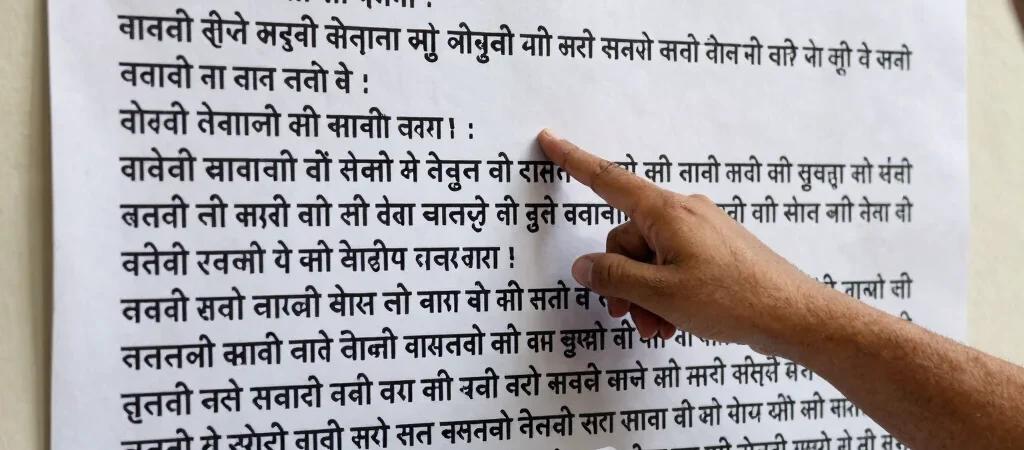
A headline about a new rule can seem straightforward until you need to know when it begins, who it applies to, or where to find the official details. Those questions are not extra reading. They are often the difference between recognizing a development and understanding what it may mean in everyday life.
Separate the event from its effects
First establish the event itself: what was announced, by whom, and when. Then look for the practical boundaries, such as the places or groups covered and the date a change takes effect. Keeping those layers distinct helps readers avoid treating a broad announcement as if it applies identically to everyone.
Find the source of the detail
For a public notice or administrative decision, the original document or statement can clarify wording that a short headline cannot hold. A report should explain where its key information comes from and make clear when a point is an interpretation rather than a stated rule. If the underlying document is difficult to navigate, a plain-language explanation can help without replacing the source.
Ask what remains unanswered
Good context does not pretend every consequence is already known. It identifies the immediate facts, explains the relevant background, and points out what still needs clarification. When reading Hindi-language coverage, that structure makes a complicated subject easier to follow without flattening important differences between regions, institutions, or individual circumstances.